Author Archives: CPstaffing

https://www.youtube.com/watch?v=XGZw50ACcys

What it Means When You Don’t Vote – The Opinion of a Humble Doritos Vending Machine, and an Immigrant

With this upcoming election, we have all seen a lot of turmoil, a lot of passion, and certainly no lack of disagreement between our fellow American voters. Additionally, I am also seeing something that I had not witnessed in the entire 15 years I have lived in this country: the immense amount of people that have decided not to vote. As a now American citizen who emigrated here with my family from the Dominican Republic in pursuit of the “American Dream,” it is heartbreaking to see how many United States citizens are choosing not to exercise this incredibly valuable right. And from the looks of it, it breaks Frito-Lay Doritos’ heart too!

Rock the vote!

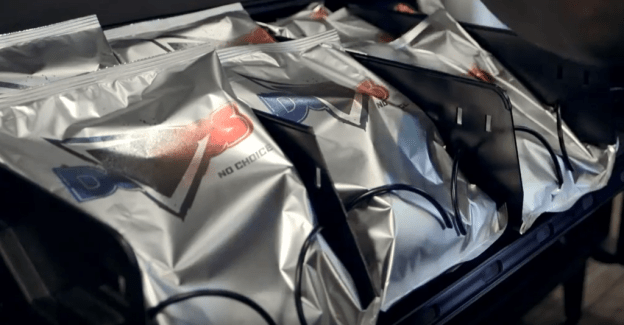
In several college campuses, Frito-Lay has established Doritos chips vending machines with an interesting choice process. The vending machine first presents you with the question “Are you registered to vote?” to which you can answer either “yes” or “no.” Once you have given your answer, you go through your chip-selection process as normal. However, if your answer was “no,” then no matter what your choice of flavor was, the vending machine spits out a grey, dull Doritos bag, with cardboard chips – no flavor, no cheesy goodness, no Doritos; Oh, the atrocity! 😦 Just take a look at the poor students’ faces when denied the goodness of real Doritos.

The movement is part of a campaign that the popular chips brand has taken alongside Rock the Vote in order to motivate college students to participate in the voting process. According to Doritos, since 62% of young voters did not take part in the 2012 election, they decided to make a special bag for them. And what is the message of this new, special Doritos “flavor”? Well, I’d say it is pretty obvious: if you give up your right to vote, then you’ve given up your right to choose. Although a great means of motivation by Doritos, the unfortunate fact is that many of us have several excuses to rationalize our decision of not voting during this election. Let’s tackle some of the most common ones.

“Straight out of options”

Doritos is non-partisan, and they just want to try and get us all out there to exercise our right to vote. Yet, without a doubt, the main reason for people “sitting out” during this presidential election is the fact that a significant number of Americans believe that neither of the current presidential candidates are suitably qualified. However, I do not believe that this should be an excuse to sit this election out. Several people have decided to “vote for the lesser of two evils,” which is an option you can choose, no matter whose side you decide to take. Another option is to vote for a third party; any other presidential candidate available on your state ballot (yes, there are more than just four candidates). The best thing you could do is become well-informed; do your research (and for the love of all that is good, please conduct research outside of social media), and vote on the people/things in which you believe – because that is the point of democracy! The purpose of our vote is so that our input on what we all stand for is taken into consideration; the elections are not a time for us to just give up because the fight seems pointless – no battle has ever been won this way. I know that many will say that voting for a third party is pointless, or that your vote doesn’t matter at all, but I can show you some great ways in which your vote still does matter, even if that third party candidate you vote for has no chance at becoming our next president.

My vote doesn’t count.

If you’re like my husband, although he is voting (because his lovely wife said so 🙂 ), you might stick to the rationalization that Electoral College elects the president, not the popular vote. And yes, generally speaking, this is true. However, your vote still counts, just not in the direct way you may think. One thing to remember is that you are voting in your state’s election, not necessarily a national one. Therefore, your vote holds weight in your particular state. As an article on Fact/Myth put it, “You don’t just vote on the President, you vote on many local, state, and federal races and state-based ballot measures!” Since the complexity of how this all works may not be my area of expertise, I urge you to read David Walbert’s “Does my vote count? Understanding the electoral college” if you still have your doubts as to why or how your vote matters; there is a lot more involved in your vote than what you may think. Although your vote for a president does not directly count towards the presidential election, the many other ways in which your vote does count make me stand with Doritos: “If you don’t vote, someone else chooses for you.”

Eh, I don’t think it’s that big a deal.

As part of an immigrant family that came to the United States for opportunity, who has come to love and embrace this country, I will honestly say that the “no big deal” and the “it doesn’t count anyway” statements irk me the most 😦 . Some of us might not know our history very well, and some of us may be very well informed. Nonetheless, I have encountered people who are very aware of the United States’ history in obtaining voting rights, who still refuse to put importance on our vote. One thing we should keep in mind is that not everyone in the United States was always allowed to vote. For a long time, the only eligible citizens allowed to vote were white, rich, male men and no one else. Our right to vote in this country came with a price; it was not just given to us.

The poor – As an example, let’s reflect on Thomas Dorr. Although Dorr was a wealthy, white man, he considered it wrong that the less fortunate citizens were denied a vote in the United States, and so he fought for it. With rusty cannons against Samuel King’s government, Dorr was defeated in his fight and arrested. Yet, his cause could not be crushed (remember that thing I said about standing up for what we believe, and not just give up when the fight seems pointless? Yeah, this is why). Because of what Dorr started, by the time of the Civil War, every white male of voting age, rich or poor, was eligible to vote.

The women – If you’re a woman who’s eligible to vote, you might want to thank Alice Paul. Alice Paul and her supporters protested outside the gates of the White House and were eventually arrested. While in prison, Paul began a hunger strike for which she was then put in a psychiatric facility. There, she was force-fed through a tube, and encountered many more horrid conditions. Finally, on August 26, 1920, Paul’s battle won the women’s right to vote.

The African Americans – For African Americans, a person you might want to think about and thank is Bob Moses. Although African Americans were granted the right to vote in 1868, southern states were going out of their way to prevent black voters from voting in any election. Bob Moses, along with members of the Student Nonviolent Coordinating Committee, fought for true voting rights. During his fight, he was struck several times in the head, needing several stitches, as well as encountered gunfire from white supremacists in attempts to stop him. Finally, after all the struggle, injuries, and even deaths, the Voting Rights Act of 1965 was signed, allowing equal rights to all voters.

Do you still believe your vote is useless?

Needless to say, it saddens my heart when I see so many people tossing our precious history to a lonely corner, and reducing the value of our hard-earned voting rights. If you do your own research, there is much more that you will be able to find on how we gained our civil rights (the individuals I spoke of were mainly obtained from the Scholastic Website) and how your vote matters. Regardless of where you stand, who you support or don’t support, make sure that you honor the lives of those who fought for our voting rights in this great country (yes, I do still believe that we are a great country, despite our flaws), and appreciate the value of your vote. Don’t get stuck with yucky, plain, cardboard Doritos; make sure you get some tasty Doritos, and vote!

*Featured image: Doritos No Choice

me_zpsext9iuth

By Nayadee Wilson


Feeling Overwhelmed? End the Haunting of Stress in the Workplace.

I saw a post from a friend earlier this morning that read “stress can kill you.” And it is, indeed, a very scary thing – it would make a great Halloween costume! Stress in the workplace is such a common phenomenon, that it is no wonder there are hundreds of articles discussing the topic and offering advice on how to deal with it. After all, according to the American Psychological Association’s annual “Stress in America Survey,” a whopping 65% of Americans referred to work as a top source of stress in 2012, and in 2015 money and work still remained the top two causes of significant stress. Although I have found most articles helpful, I can’t help but notice that most of these tend to emphasize solely on stress emerging from work situations or the work environment. However, sometimes stress comes from other sources that don’t necessarily relate to our work experiences. So I’ve decided to break down the sources of stress in the workplace into three categories: Stress from home, Stress from work, and Stress within you.

My personal life is falling apart.

So maybe your job is great (yay!); maybe you love what you do and can’t truly complain about the work itself. However, even though we’ve often heard the phrase “don’t take your work home with you,” what happens when home comes to work? And yes, I know a lot of us have probably also heard the phrase “leave your personal life at home,” but that’s not always so easy, is it? Sometimes life happens, and you can’t help but stress about it all day long. Here are two steps that have helped me, and may help you as well. 🙂

  1. Get real – One of the first things to do in this situation is to grab a hold of reality, and understand that your troubles from home cannot be solved while at work. It sounds harsh, I know, but a firm grasp on the reality that worrying about your personal difficulties will not take you any closer to solving them, will help you place these worries aside and help you regain focus on work (for the time being). If it truly is an overwhelming event, you’re better off taking a personal day to work through it, and come back to work when you feel refreshed. Nonetheless, if you’re already at work and you’re having a tough time setting these worries aside, here is something I like to ponder on when I start to worry: “Can any of you by worrying add a single hour to your life?” In other words, can you gain anything extra in life by worrying? Not likely. What do you gain by worrying? Stress.
  2. Get to work – Once you leave work, get to work on solving your problem. Home-stress factors can be a lot of different things for different people. One of the most popular is usually financial troubles; are you in debt or is there an income problem? In this case, get to work and start to handle your finances wisely; take the time to develop a plan of action. It could also be marital/relationship problems, family illness, or even a more serious event like a death in the family. If this is the case, remember that there is no shame in getting help. Professional assistance is always available to help you cope with this kind of stress, as well as a trusted friend or relative you can rely on. When you make time in your personal life to resolve these issues in a healthy way, it leaves room for focus and dedication in the workplace. If you don’t, then you will most likely feel obliged to spend time thinking about these issues, as you have not dedicated any time to solve them elsewhere.

I hate my job.

Alright, so maybe you do hate your job. Maybe you are feeling undervalued, unappreciated, and unfairly treated. 😦 Perhaps your boss/supervisor is not the kindest, or perhaps your work environment is a toxic one. Regardless of the reason, it is never healthy for anyone – you or the company – to feel miserable at work. Here are some things to keep in mind.

  1. Be rational – A great thing to keep a handle on is the proper perspective; is this all in my head? One way to reflect rationally and see a situation from the outside-in, is by writing an email or note of what happened and how you’re feeling, not sending it, and reading it over to yourself (I will emphasize, do not send your angry email to your co-worker/supervisor/boss/customer – it never remedies anything, trust me 😦 ). Not only will this exercise help you re-evaluate a situation, it also serves as kind of a “woo-saah” type of healing. Reading it over will make you ask relevant questions like “am I overreacting? Is this the right thing to say? Are these the proper words to use? What could have been done differently?” etc. Additionally, it might be a good idea to save these emails for yourself and keep track of what your triggers are; i.e. what “ticks you off.” You can then transform your quick reaction to these kinds of situations into a wise and appropriate action in the future.
  2. Have boundaries – Although a great success, technology has also been our downfall. I know there are times in which we feel we have to be the “Yes-man” and be available 24/7, because why wouldn’t we be? It’s our job, right? Not exactly. Of course, there are many responsibilities that come with your job title, but there are also times in which you can say “No,” and your boss will understand. When my husband first accepted his current job, it was a great career opportunity for him and he was very excited. However, he was starting to constantly check his emails while being at home, which made it difficult for him to be a part of the family, and caused both him and the family a great deal of stress. Once he established the boundary between home and work, everyone was a lot happier. 🙂 Of course, by “everyone” I mean me; if mom is not happy, then no one is happy 😉 . But, with my attempted jokes aside, it is needless to say that placing boundaries is healthy and acceptable.
  3. Have communication – We all wish that our peers would just know when something would not sit quite well with us. Unfortunately, none of us are mind readers and we all think differently, therefore communication is needed. You may want to try simply speaking to your boss about your level of stress. By “speaking,” I cannot stress enough that this does not mean “complain.” It means discussing how you are feeling and asking what you can do to improve the situation, or how can you work together to come to a healthy and adequate solution. If you are with a good company, you can rest assured that you will be helped and encouraged – some companies even have programs that offer professional help if you need it. If you are, however, within a toxic work environment in which your concerns are not properly addressed, then you can feel at peace by making the decision to take your talents elsewhere. Being constantly stressed will contribute to short temper, anxiety, and many more health issues that will significantly impact your productivity on the job. To give a quick summary of my experience, when I worked for a previous company some time ago, I experienced all of these symptoms, which caused me to lose the quality of my once acclaimed, and even rewarded, customer service skills. This particular company was an incredibly toxic one, and although I did stress about what I would do once I left, it was the best decision I ever made. If this is the case, a great tool to use in your new job search is a staffing agency – they are wonderful and there to help! Not to mention today I work for one of the best, and could not love my job any more if I tried. 😉

I can choose to be happy.

Last, but certainly not least, is my favorite topic of almost every article/study I’ve read on managing stress: managing yourself. This was the one thing that all of my research had in common, which I will completely agree with. Many times we think that happiness is an effect of our circumstance, therefore making it a strictly dependent emotion. However, happiness is not so much an emotion reliant on context, but an action that will ultimately affect how we feel. Take talking to yourself, for example; if you constantly feed yourself negative words, your natural reaction will be to feel bad about yourself. Yet, if you choose to feed yourself uplifting words, your natural reaction will be to feel uplifted. The choice between being happy and miserable can have a huge impact on your stress level. After all, stress itself is not so much what happens around us, but more so how we perceive our circumstances. Try it out for yourself; make the choice to be happy for a whole day, and see how you feel.

  1. Stop comparing – As I came across an article discussing work tension, I loved how they phrased this idea as “leave the Joneses alone.” When you start to feel bad about yourself or how your life is going, it could be because you are comparing yourself to someone else. Your experiences will never be someone else’s, so you should focus on the accomplishments you have made, the goals you’re running towards (or the ones you need to start working on), and the joys you’ve experienced. You should also remember that what you see from people around you on the outside is not always a clear representation of what lies on the inside. We all have our struggles, and we all have amazing successes. Focus on the latter.
  2. Get some hobbies – Don’t forget to treat yourself. When you make time for the things you love, it will help you tremendously in reducing stress. It is important that you disconnect from the world for a while, and reconnect with the things that make you “tick.” If you’re not sure what you would enjoy or you don’t have any hobbies, try out some new things – or simply have a “me-day” where you can take naps if that’s what you’re into. Whatever it may be, take the time to do things that will uplift you and create positive experiences in your life.
  3. Be spiritual – This one surprises some, but being spiritual will actually help a great deal with removing stress. The American Psychological Association advises that you take the time to relax, and calls it “a state in which you actively observe experiences and thoughts without judging them.” For me, personally, prayer works wonders; my days are a million times better when I start off with a prayer and thanksgiving. Nevertheless, if that’s not your thing you may want to look into something like yoga, or meditation. Making the choice to relax, to be thankful, and to focus on positive things will automatically set up your mind and body for positive outcomes throughout your day, making it hard to see the negative side to many situations.

In Conclusion

Remember to not freak out! Although these tips were the ones I found to be most helpful, a lot of what I have written comes from my own personal experiences as well – the lessons I’ve learned the hard way, and the ones I’ve learned from studying. The truth is that there are many ways in which you can manage your stress level and take control of it, so don’t make my mistake; try to learn these tips ahead of time before you explode! >_<

Make sure that you take care of yourself, eat healthy (which I didn’t dive into, but taking care of yourself physically will also affect how you feel emotionally), find some hobbies, and ask for help when you need it. Most importantly, remember that whether at work or at home, when you feel stressed you do not have to go through it by yourself; remember that you are not alone. Stress will lead you into deceiving yourself, thinking that there is nothing you can do and that you have no one who can help, and you just want out! Remember that this is a lie. Any great company knows that we are all in this together, and when one member does not function well, the entire company does not function well. Know your worth, don’t fight it alone, and be confident that you can kick that Stress-monster’s butt! 🙂

me_zpsext9iuth

By Nayadee Wilson

Stop Slacking Off: Six Tips to Combat Laziness

There are very few people who could honestly say that they don’t struggle with the issue of laziness. Chances are that, like most of us, you probably struggle with laziness every single day of your life, even if it is just at a slight, given moment. You have also probably read multiple articles and tips about how to be more productive and how to boost your motivation to get going. When discussing the topic with my husband (who is actually one of those unusual breeds that is rarely, ever lazy), he said that we should just get active in order to boost our energy level. However, I have come to find that the reality of laziness seems to be more of a “chicken-or-the-egg” kind of predicament; you are advised to be active so that you can have more energy, but you have no energy to want to be active in the first place – see what I’m saying?

We need to have a more realistic approach on the issue of laziness and tackle it a little more aggressively; tackle it in ways that are actually achievable when your body just keeps telling you to stay comfy. In my experience, here are some of the bullet-proof methods I have come to find work best to get you up and running, despite the urges of wanting to “just chill.”

1. I need to rest.

First things first: there is a big difference between being lazy, and your body just simply not getting enough rest. It will be very difficult to be productive in any way if you do not get a good night’s sleep, so make sure you set this as a priority. A good habit to get into is setting a bedtime for yourself (that’s right – it’s not just for children 😉 ). This will begin to create a healthy habit which will allow you to get the amount of sleep you need. You should also stay away from watching “heavy” television shows (i.e. don’t binge-watch episodes of House that will make you think of every possible disease that could be wrong with you), or having any intense conversations close to your bedtime. The goal is to prepare your brain and body to rest at an appropriate time for you; you don’t want anything that might stimulate it too much right before going to bed.

2. I am so pumped! 

I am going to guess that there might be a slight chance that the first thing you do in the morning after waking up is grab your phone and scroll through social media, news, sports, etc. You’re not alone – I do it, too. However, if you’re finding it tough to break this habit, there is a way for you to make this routine work in your favor. One thing you could do before going to bed is finding a motivational article (or 2, or 3!) that speaks directly to you and your goals, and save it to read it first thing in the morning. Read the quick summary of it at night and the full article in the morning, rather than going directly to your social media as soon as you open your eyes. Getting this kind of motivation early on will boost your desire to work towards your goals, and you will be more likely to be productive throughout your day. One of my favorite articles to read for morning inspiration is the 20 Habits of Eventual Millionaires. This is something that you could read more than once, and it can give you the motivation you need every time. Nonetheless, we are all different, so find the kind of motivation that works for you and get pumped about it every morning! 🙂

3. I have no choice.

This next tip is something that works best on the days you may be off from work, and it never fails for me. What I have started to do on my days off is forcing myself to do a certain task very early in the morning. For example: If I have to schedule a doctor’s appointment, I schedule it at the earliest time I possibly could (granted that I’m getting enough sleep, of course). The idea is that you schedule something you can’t easily get out of, or it would be a great inconvenience if you did. I find that once my task, appointment, etc. is completed, I am awake, energized, and much more able to focus on doing the things I need to do throughout the rest of my day. Since I am not really a work-out type of person, doing this as an alternative forces me to be active very early on and it sets my day up for a good start. Maybe you have that friend that will just not let you get out of working out with him/her if you were to exercise together – definitely make plans to work out with that friend. Whatever the task may be, when you get the chance to schedule these very early errands in your daily routine, take it!

4. I need to eat.

This one is a no-brainer; healthy eating is the energy fuel for your body. I can’t say that I am great at this myself, I struggle a great deal even to just follow little baby steps to eat healthier. However, I notice a great difference in my energy level on the days that I do stick to a healthy menu. A rule of thumb should be to always make sure you eat breakfast, and make sure that it is a healthy one. If you can’t always cook up anything fancy (like most of us), fruits are always a great way to go: apples, papaya, pears, peaches – you name it! Fruits make a great “on-the-go” breakfast and will boost up your energy level (although you should avoid bananas for breakfast, they can make you sleepy :/ ). You should also avoid eating foods that will make you sluggish throughout your day. It is hard for most of us to resist “junk food” on most days, but making these tweaks to your diet will significantly impact your energy level. Check out WebMD’s guide to avoid food that will make you tired if you’re not sure how to get started.

5. “You are my sunshine, my only sunshine…”

Another great habit to get into every morning is opening up those curtains and embracing the sunshine! Sunlight wakes us up naturally and signals our body that it is time to get going; if you don’t get enough natural light in the morning, you will most likely feel tired and groggy throughout your day. Although, if you live in Buffalo, NY like I do, chances are that this lovely sunshine will not visit your home very often during our awesome winter months (which seem to be 10 times longer than months in any other place of the world; but that’s ok – we still love our city 🙂 ). So in the event that you’re not necessarily in an “abundant sunshine” kind of place, you can also opt for the alternative: a natural light alarm. These really neat alarms wake you up naturally with a sunrise-like effect, and can be almost just as effective.

6. I am on a roll!

Finally, a great way to escape from the lazy gravitational pull is by gaining momentum. When you think about all of the things that you need to get done in any given day, it can be intimidating, overwhelming, and sometimes even depressing. That being said, when you think about it in terms of small little steps at a time, it is not as dreadful. Try to separate your big to-do’s into smaller tasks and go through these one at a time. Once you do this, you’ll get rolling on everything else that you need to do and you will barely even notice. Every single time I actually do this, I always end up being very productive and working efficiently through my daily duties.

There will always be many other, creative ways in which you can fight the urge to slack off, but hopefully these could help you in the same way they help me. Just keep in mind this great quote from TheEveryGirl.com: “Success is not easy, and it is certainly not for the lazy.” Get off the couch, get going, and be all the success you were meant to be.

me_zpsext9iuth

By Nayadee Wilson

Let’s Talk Money

Money is such a great topic to bring up in conversation, am I right? …Okay, maybe not so much. But let’s face it: college does not necessarily do a great job at teaching us the essentials of good, personal financial behavior, or what is involved in getting a mortgage, or credit cards. The ways in which many of us handle our finances usually involve not-very-wise decisions that ultimately affect our behavior, so I would say it is safe and appropriate to discuss the topic. Although it seems that millennials are doing much better at handling debt than previous generations, with credit card debt being at its lowest since 1989, not all of us are quite great at being completely debt free just yet. While we may not be so enthusiastic about the sacrifices that come along with getting rid of debt, here is some great encouragement on why you should be debt-free, and stay that way!

Responsibility – I am totally “adulting” over here 😉

The first benefit of becoming debt-free is that it truly changes your character for the better. Before getting rid of my debt, I was a compulsive buyer. I’d get paid, and then I would head to the mall to buy the cute shoes, shirt, purse, etc. I was living paycheck to paycheck and I always rationalized using my credit cards to buy things that, without the magical credit cards, I would otherwise not be able to afford. A great financial advisor by the name of Dave Ramsey quickly inspired me to be debt-free.  As I decided to put his tips into action, I noticed drastic changes not only in the way I behaved, but also in my thought process. When you make the decision to get out of debt, this means that you will create a budget, which in turn means taking control of your impulses and making wiser financial decisions. Sticking to your budget will become a habit, naturally influencing the way you make other, non-financial decisions as well; you start to realize what has priority and what can wait. This new responsible attitude will follow you to your workplace, your home, your relationships, and many other aspects of your life. I, for one, can definitely say that since I started to take in this responsible approach, I now look at debt as the worst disease on earth; I pay my bills on time, and if I have something bigger I get it out of the way as soon as possible – as if my life depended on it! And yes, there are times where I think, “I want stop ‘adulting’ today and just be a kid again, and play with my Barbies.” And hey, I know we all love the care-free kid inside of us (I sure do!), but it’s also nice to feel like you’re a “pro” at being an adult from time to time, by being financially responsible. ^_^

Feels so good to be stress-free!

I’ve often heard some people say “why use my own money to buy XYZ, when I can use someone else’s money now and then just pay them later, but slowly?” Well, here is the problem with that logic: when you are in debt, you’re essentially a slave to your lender. One of my favorite things that I have heard Dave Ramsey say is that “when you take a closer look at debt, you start to see it for what it is – something that holds you back.” It is extremely difficult to leave your troubles behind when you know you’re barely making ends meet; all the stress that goes along with it also follows you to the workplace, and everywhere else you go. One of the greatest feelings of being debt free is that it feels just as it sounds: “I’m FREE!” Once the weight of debt is lifted off your shoulders, you now have the enthusiasm and the liberty to focus on the future – What are your dreams, aspirations, and goals that you couldn’t accomplish before because you were so limited financially? All of the sudden these things start to become more real, and clearer. Come on – it’s hard to not get excited about that! And yes, I do know that oftentimes money is not the only obstacle to achieving your goals; time is also of the essence – which brings me to my next point.

“The world is my oyster”

Another great quote from Mr. Ramsey is that “when you’re living in debt, you’re not just financially poor. You’re also time poor.” Undoubtedly, debt-free people have more time and money than most people who are in debt. Why? Because if you’re in debt, chances are that you might be working more than you should have to, and spending time stressing out about how to make it all work out. Once you become debt free, the amount of time and money that would have otherwise been going to a lender is now free to use to follow your ambitions, as stated in my previous point. In addition, not only do you now have more options (remember, money does not bring you happiness; it gives you options), but your demeanor towards your career also changes. You are actually free to enjoy and/or passionately pursue what you do/want to do, rather than seeing your job as a burden you have to carry because you have no other choice. All of the sudden you can now afford to take that vacation (because we all need a break – it’s healthy for you!), and you will be refreshed and financially stress-free when you return to work, which ultimately results in higher productivity. Think about it: If you are more productive, you’re a better employee. If you’re a better employee, you will most likely be acknowledged. If you’re acknowledged, you’re encouraged. When you’re encouraged, you work that much harder towards your goals. 🙂 Let’s do this!

Freedom!

Getting rid of debt is not the easiest thing to do – it takes a lot of hard work and sacrifice, but it is worth it! And although the kind of income you make can surely affect how you handle debt, it is absolutely not impossible to be debt free, despite your income. In my experience, for example, I started getting out of debt when I was a single mother, receiving government help. Once I got out of debt, I was able to work harder towards my goals, increase my income, and I no longer needed government assistance. I can certainly attest to the incredible freedom that came with being debt free (although since then I’ve gotten married and bought a home, so now we have a mortgage – but we plan to pay it off sooner rather than later)! With a good strategy and a good plan, you can learn the kinds of things that you can and should be able to afford (food, transportation, shelter –proper shelter, not a $1000/month rent payment while you can only afford a $600/month payment), and the things that you don’t necessarily need (cable, fancy phone, fancy computer/tablet – remember that libraries still exist!). If you are in debt, do not be discouraged, and know that it is possible for you to be free. Tackle your debt without hesitation, and enjoy the many benefits that come from it. 🙂

For more encouragement, check out Mr. Ramsey’s “7 Characteristics of Debt-Free People.

me_zpsext9iuth

By Nayadee Wilson

What Redesigning my Daughter’s Room Taught me About Poor Planning

A few weeks ago my husband and I decided to embark on an exciting project; to design and renovate our 4-year old daughter’s bedroom. Although these kinds of ventures can be thrilling for most, it can truly cause some serious headaches when you do not have the right preparation to tackle them appropriately. Also, having a hammer in one hand and a crowbar in the other is definitely not a good combination for frustration to enter the scene – so proper planning is a must! As we picked up momentum and dove right into this project, I soon started to realize some things that we either missed or miscalculated, and how a lot of these fundamental steps would be applied to our everyday work tasks.

I’ve got everything! Except for these 10 other things…

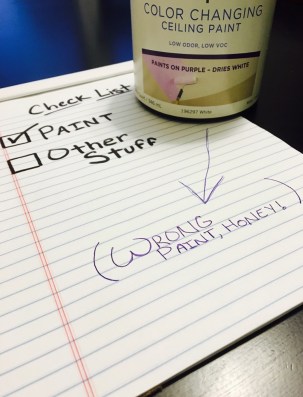
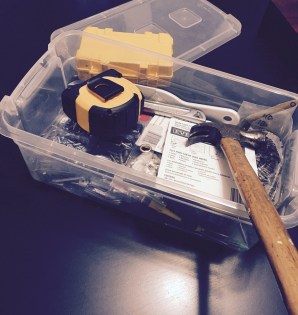
5_zps8tkmnkmcI had been looking forward to this for the past 3 months, and I was beyond excited. In my head, I knew everything I needed to do; I was ready to get all of our supplies, and ready to get started. Once we got back home from the store, we got right to work… we then realized we had the wrong sanding paper, and not nearly enough paint. After the second trip to Home Depot, we realized we got the wrong kind of paint. Then after the third trip, we realized we had the wrong kind of nails. In other words, after four trips to the store, my husband wanted to run away to Mexico, and I wanted to burn down the room – she can just sleep with us! :). It was mindboggling how a project that I couldn’t wait to start was so quickly turning into a nightmare. 😦 So here was my mistake number one: Unpreparedness.

More often than not we make the same mistake at work time and time again. Many times when we are presented with a task, we dive into it without really looking at what is required. We then find out half way through the project that we missed something along the way, usually causing aggravation to enter into the mix. To avoid this undesirable frustration, it might be a good idea to make a check-list of everything you will need to complete your task or project, before you start it. I know that check-lists are somewhat old-school and can be viewed as unnecessary (especially for minimal tasks), but the time that it will take to write out a list is well worth it compared to the vexation you may suffer later, after figuring out you’ve missed something. Not only does making a list help you become more prepared, but writing things down will also help you remember things a lot better (E.g. you can remember the proper supplies for decorating your kids’ room), which can certainly be advantageous in any task.

Um, any chance we could push out that deadline?

6_zpsnbc9f5ucWhen I started to “plan” the process of it all, I was certain that it would take us just about a full day to complete her room – after all, I had already painted three of the four walls the week before, and that’s the time-consuming part, right? Well, here was my mistake number two: Underestimating. As it turns out, not only did I dismiss the amount of work that still needed to be done, I also did not take into consideration the time that it would take us to complete it all. I mean, we are talking about removing moldings, sanding and painting them, painting doors, drawers, etc., yet all of that slipped my mind. All I could think of was my dreamy end result, and my plans of relaxing the rest of the weekend. Of course, I was in for a rude awakening, and our entire weekend was consumed by this project – which is still not entirely finished 😦 (although my husband thought my misguidance was quite comical; I’d say half of our time was spent by him laughing at my one-day-project idea).
Whenever we are faced with a lengthy project it is always important to have a realistic outlook on the time that this task will actually take. Not taking the time to plan accordingly could cause you to underestimate what needs to be done, which in turn can cause you to miss a deadline (or just barely make it). In addition to making a list of what you will need, it may also be a good idea to do your best to calculate how much time each item on that list will require. Do you need to write an article? Think about the amount of research you need to do. Or maybe you have a spread sheet to create – think about how long it might take you to edit and enter information properly; making extra time for the small tedious jobs will be beneficial as well. Once you do this, you will have a much better chance at completing your work on time, and you won’t be pulling your hair out the day before it’s due.

I could’ve sworn I had my notes in here…

7_zpssgob24evLast but not least, being organized is an absolute essential (this is, most definitely, my favorite tip). My next mistake during my daughter’s awesome room makeover was – you guessed it: Disorganization. I cannot stress enough how irksome it was to be in the middle of painting/sanding/nailing and not being able to find the paint brush/sand paper/hammer. Or, when this wasn’t the case, I would start doing something that my husband had already started to do – double the work for nothing. Or, my favorite: we nailed the door frames back onto the wall, only to have to take them down again because we put them in the wrong order (they didn’t fit properly). Meh. 😦



Needless to say, you will be much better off making sure that you are organized with all of your work. Designating a place for everything and keeping it all in order will avoid lots of headaches and will guarantee a much smoother work flow. Keeping your notes organized and in an assigned location is a good way to start your organization process. Another good idea is to keep your desk as organized and decluttered as possible, as this will naturally make you feel more calm and focused; having too much clutter around you will interfere with your brain’s ability to process information. In addition, being organized in your work will not only increase your ability to focus, but it will also dramatically reduce the time you spend working, which means that you’ll have a much better chance at finishing your work on time (or early) and then be ready to just head on home! 🙂

For more on organization, read “7 Health Benefits of Getting Organized

It feels good to be done.

Whether it is being unprepared, unorganized, or maybe just simply procrastinating, lack of planning can certainly put a damper on our to-do list. Although there are many other ways to prepare for any task you may have, these are some good steps to keep in mind. Just remember, it will always be better to spend a little more time on preparation in the beginning than a lot of time stressing trying to rush it all in the end.

me_zpsext9iuth

Written by Nayadee Wilson

P.S.

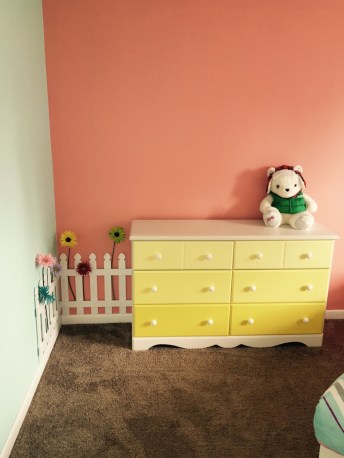
In case you’re curious, here are some pictures of how the room is turning out.

Before photos:

20160417_104446_zpshi8xg1cl20160918_170153_zpsxj0hmsc420160918_170248_zpsswnjbvpd

After Photos (still a work in progress):

3_zpssn3gngoc2_zpswg4ipe2w4_zpszsgb5udg

Will Speaking Spanish Place Me Ahead of the Competition – Si ó No?

Being a proud, Hispanic woman, hearing myself ask the question of whether or not speaking Spanish is an advantageous skill makes me immediately want to have a never-ending cultural emulsion, all while yelling to the world “Spanish is a must!” Although there’s nothing wrong with a little cultural pride, the answer to whether or not Spanish sets you apart from the competition in the workforce might not be so simple. As I read through some very interesting articles and studies this past week, I couldn’t help but be intrigued by some of the underlying factors of the Spanish language that we may have overlooked.

Oops! I think I left my culture back home…

Let me just say that from my personal experience, I always thought that speaking Spanish was overrated because there are too many of us who possess the skill. Looking for jobs in the past where I always tried to highlight my full Spanish fluency, I found that there were always a great number of other candidates who had the same skill to offer. However, as it turns out, the Spanish language in the United States is under threat of being phased out (I know – I am just as shocked as you are). Although the Hispanic population does keep rising in the United States, some studies predict that the amount of immigration will most likely decline due to more strict immigration laws, increasing numbers of deportations, border control, and other factors.

So what about the generations already stable and secure in the States? Certainly we don’t just stop growing in population, right? Well, of course not, but it seems that a lot of the second generation folks born in the U.S. are forgetting to teach their children the language of their culture. While many of us who are raised in the U.S. are usually bilingual, the third generation (our children) usually ends up being either completely monolingual with the English language, or can only speak/understand very little Spanish. This means that some years down the road, although the Hispanic population will likely continue to grow, a great majority of it will speak little to no Spanish at all. How sad is this?! 😦 My poor Hispanic heart is just broken to pieces. Of course this, by no means, states that the Spanish language will be “extinct” or anything of the sort, but rather its popularity as it stands today in the United States might not last very long. But no need to fret, there is also good news!

For more on this topic, read this fascinating article called The future of Spanish-speaking America is under threat.

Knowledge is power… and bilingual too!

While some of us are slacking in the teaching-Spanish-to-our-kids department, being bilingual in general still has incredible advantages that cannot be overlooked. Not only do bilingual speakers excel in the job market, but research also shows that there is better development of the brain and problem solving skills. It makes sense – being able to view things from two different linguistic perspectives has allowed me to get mad at my loved ones in Spanish, while being able to apologize much easier in English :). So, even though the Spanish language seems to be heading to a relatively less popular future in the U.S., do be encouraged to learn (or teach your children) the Spanish language anyway.

For Instance, my brother is married to my beautiful Russian sister-in-law, and they have two children who are 4 and 2 years old. My brother only speaks to them in Spanish, while my sister-in-law only speaks to them in Russian, and they speak English only when friends/relatives are visiting. Today, my brother has 2 children that speak Spanish, Russian, and are now learning English. My husband’s family was amazed when they saw these two little nuggets speaking Russian and Spanish, but barely knew any English! Of course, Now that the 4-year-old is getting ready for school English is definitely being added to the mix a lot more, but while they could, their parents made it a priority to make sure these kids knew the language of their culture. Come on, you can’t tell me that’s not cool!

For more, read this other intriguing article: Know more than one language? How your bilingual brain could pay dividends.

Entonces… Si ó No?

Needless to say, my niece and nephew are some of the smartest little kids I know, so of course I want to follow my brother and sister-in-law’s example. Right now I have two small children, a 4-year-old and a 10-month-old, and my husband and I are following the same route – I speak to them in Spanish, he speaks English, and we are loving it. The possibility that Spanish may not always be as prominent in the United States should definitely not discourage you from embracing the language, or any other language for that matter! And no, being fluent in another language will not get you the job every single time, but the additional benefits that come from it are well worth the knowledge. Entonces… Si! Go learn Spanish, teach Spanish, embrace Spanish, or any language of your choosing, and be happy and proud. 😉

me_zpsext9iuth

Written by Nayadee Wilson

What do you mean I have to give a presentation?!

*Featured image: The Meep by James Hance*

Usually, our first responsive thought to the suggestion that we might have to get up on stage may be something like this: “you mean in front of people?!” Now, by “getting up on stage” I don’t mean singing, or dancing, or performing a comedy act – most people would probably prefer to do those instead. No, I mean the big, giant, enemy of our very souls, Public Speaking! =O (Cue scary music). Whenever the time comes to give that big presentation or speech, or maybe even something as simple as asking a question during a meeting, the scary thought of public speaking can send most of us running for the hills. I’m sure that we have all heard about the infamous surveys showing that people are more afraid of public speaking than they are of dying. Can you believe it? This basically states that some people would welcome death if it meant that they wouldn’t have to be involved in public speaking. I know that public speaking can definitely be intimidating, but it does not always have to be deadly. I personally love public speaking – I like the spotlight. Sure, right before I have to start, I feel like throwing up everything I consumed the night before, but I work my way around it. Mainly by making sure I don’t do that =). Nevertheless, as you read on you’ll find that there are some things you probably wish you knew about how to handle the big monster called “Public Speaking.”

1. I wish I didn’t get so nervous!

One thing you need to know firsthand is that nerves are your body’s way of preparing; they can actually be used as a tool. Instead of thinking “I’m so nervous,” you should change your thought process to tell yourself “I’m getting so ready for this!” instead. When you start feeling nervous about your public speaking performance, you can use that energy to your advantage with just a little focus. Doing this will help you speak clearly and firmly, and this energy will serve as a drive for the correct body movement, depending on the kind of public speaking you might be involved in. Before I was married I was actually a performer – certainly not a famous one, but I did a lot of singing and some acting. This was the advice I was given by my coaches. Now, I noticed that whenever I used this tool I would always do great. However, when I let my nerves get the best of me and didn’t focus on using them to my advantage (i.e., negative talk: “What if I mess up? What if I fall? I feel nauseous! Etc.), it was not a pretty show; talk about embarrassing performances! >_<. So, before you do your public speaking, make sure you embrace those nerves. Practice positive self-talk, and focus on using these to work for you rather than against you.

(For more on self-talk, read this article: 3 Reasons You Should Talk to Yourself)

2. Eh… I’ll just wing it.

Although the term “wing it” sounds appealing to our spontaneous side, if you rely on this for public speaking you will often be in a lot of trouble. And unless you’re one of those wonderfully, naturally charming “win-the-crowd-over-with-very-little-effort” kind of people, you will always need to prepare (and even the naturals do some kind of preparation). Your amount of planning will always vary depending on what you are doing, but it will always be essential even for the most minimal kind of public speaking. For example, if you’re nervous about asking a question during a meeting, write it down before asking it and read it to yourself. This will give you more assurance in what you’re asking and will help you sound confident and firm when you speak up during the meeting. Now, when it comes to something more involved, such as giving a speech or presentation, needless to say that you should write it up beforehand – if you wing that and you don’t freeze up midsentence, then I salute you! But seriously, make sure you do your due diligence and prepare what you will say before you stand in front of your peers trying to do the old “pretend they’re all in their underwear” trick (which, by the way, absolutely never works).

3. I kind of, sort of, know what I’m talking about.

Undoubtedly, if you’re going to be involved in public speaking you should absolutely know your topic. This does tie into the preparation tip, but it is a different kind of preparation altogether. It would be really pointless if you prepared a power point presentation, reciting your fancy bullet points out loud, for you to then get stumped during Q&A because you actually don’t know your topic very well. Granted, you will most likely not know the answers for everything. When this happens it is perfectly okay to say “I don’t have the answer for that at the moment, but I will work on getting one for you.” However, you should be as prepared as you can be to encounter these kinds of situations, so make sure you do your research. Not only will you be able to answer these questions (if applicable), but doing your homework will also dramatically boost your confidence – and of course we’re all on board with a little confidence boost (whoop-whoop!). So, what happens when you feel confident? Well, you will be able to take control of your nerves, and you will also come across your audience as reliable in your subject knowledge, gaining their attention and trust. There is nothing more captivating in a presentation than someone who seems confident in what they’re presenting. If you’re not sure about the amount of research you’ve done on your topic, a good way to test this is by going through your presentation/speech and ask yourself some questions about the topic. This will not guarantee that you’ll have absolutely everything covered, but it helps tremendously. You can also practice your speech with some friends! Another set of eyes/ears will always be beneficial, and it allows you to laugh at yourself during practice time without necessarily wanting to sprint out of the room in fear.

See? Public Speaking is not so bad – certainly not worse than death! Of course, we know that people are not really more afraid of public speaking than they are of death (I’d hope not!). Although it is funny how this was the first answer that came to mind for most of these individuals when asked what they feared most; fear of death usually ranked second O_O. Coming from someone that actually welcomes the rush of public speaking, I can definitely say that it is still a nerve-wrecking and not always pleasant experience. However, following these easy and simple guidelines always helped me do my best, and I am sure it can do the same for you. So no need to jump off the bridge just yet; let’s conquer the fear of public speaking and live to tell about it! =)

me_zpsext9iuth

Written by Nayadee Wilson

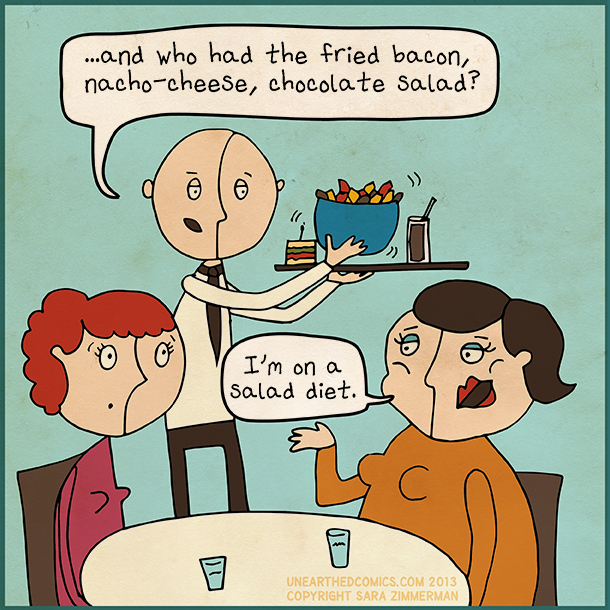
unearthedcomics.com

3 Baby Steps to a Healthier You

Featured image credit: Unearthed Comics

Let’s face it – when it comes to eating healthier and having a healthier life style, although we all have the best of intentions, most of us usually fall short of our goal to obtain a healthier diet and healthy lifestyle habits (at least I know I do). Typically, a reason why we might fail may be because we attempt to do a complete 180° turn with our diets, and actually end up making a 360° turn instead to be right back where we started. Rather than attempting to do these drastic changes all at once, why not try these few baby steps first? After all, what matters most is that you are indeed making progress and heading closer to the healthy life style that your body deserves. What better place to start these wonderful steps than your own workplace? Work is a great place to begin to make healthy habits, while also going at your own pace. In my opinion, a healthier lifestyle is really more like a marathon, not a sprint race. Therefore: On your mark, get set, Get Healthy!

1. Cut back on the sugar… Maybe way back.

11433481726_d60b147542_z_zpshfzxuie0

Photo credit: Robert Pavich

One of the biggest enemies to our bodies is the incredible amount of sugar that we feed it. It can cause numerous problems with our digestive system since bad bacteria (stomach yeast) feed off of sugar, and it is also the cause of many other health issues – we all know the big one: Diabetes. Now, this is a tricky one; often times we consume sugar without even knowing it. A good way to start cutting back is to eliminate sugary drinks. Some of these include: Soda/Pop, Juices, Coffee (depending on the amount of sugar you put in it), energy drinks, etc. (I have personally eliminated all drinks altogether that are not water or the occasional cup of coffee – no sugar, just black! O_O). So, basically, my best advice would be for you to stick to water as much as you possibly can. When I was carrying my second child, this was a big struggle for me, I was a big Twinkie eater and juice drinker (you can imagine all the sugary cravings *_*). So my doctor recommended that instead of having a glass of juice, to just eat a piece of fruit, then drink some water. This is not to say that you can’t have any sugar at all (fruits are great for you and they have natural sugar), or that you shouldn’t have an occasional sugary drink (remember – baby steps!), but do your best to stay hydrated with the best that nature has provided us with: Water. While at work, get a bottle of water with your lunch instead, and encourage your fellow co-workers to join in on the water challenge. It can be a fun journey for everyone! It’s also good to remember that most packaged foods do not include the natural amount of sugar on their Nutritional Facts – for the most part, they only include the additional sugar added to the product. Can you imagine how much more sugar you are actually consuming with most of these things? Yikes!

2. To Snack or not to Snack?

8339300799_062d795e03_z_zpsk3qjkpbq

Photo Credit:  Steven Guzzardi

Aaahh how we love a good snack; cheese puffs are my go-to! But let’s be real, cheese puffs do absolutely nothing good for my body. Snack time is usually a very weak time for a lot of us, because who doesn’t love to snack – especially at work? However, most of these snacks are filled with sugar, packed with carbs and calories, and since we’re only having them as “snacks” we might think that we’re in the clear. But we’re often mistaken – big time; a lot of us will eat endless, empty calories throughout the day without giving it a second thought. So what are some good alternatives to the bowls of chocolates, chips, and candy at work? For one, fruits are a great choice (I know, totally unexpected, right?). Fruits are packed with lots of vitamins and although they contain sugar, at least it is a natural sugar that’s going into your body. We all know the old saying “An apple a day keeps a doctor away!” Although this may not literally be the case, do take advantage of the great benefits that fruits have to offer. My personal favorites are bananas, cherries, and avocados (yeah, Avocado is not the most popular, but it is great for you!). Another alternative would be nuts. Nuts have great nutritional value and healthy fats that will turn into energy, so they serve as a good “boost” as well. Bring some of these to work with you and place some nuts in a bowl instead of candy or chocolates. On most mornings, I try to make a smoothie with lots of berries, a vegetable (usually kale or spinach), almond milk and nuts, and I drink it before or on my way to work. These are simple and take a few minutes to make, and although I’m no Mixologist, I think they’re pretty tasty =).

3. Got Milk? Maybe you shouldn’t…

Many people will disagree with me on this one (my mother included), but I guess it’s all based on what you’ve researched. According to some scientific studies, milk does more harm to your body than it does well. Some of these studies claim that the calcium found in milk is actually not able to be absorbed by your body. Now, some also argue that raw milk is actually great for you, and that it’s the milk we find at our common grocery stores that is bad for you. Author of best-selling book “Grain Brain,” David Perlmutter, says that dairy can be enjoyed in moderation, and that what you definitely want to avoid is low-fat and skim milk/dairy products. His reasoning is that low-fat milk has less fat in it, and more lactose sugar. In our society we are wired to believe that in order to be healthy we have to stay away from “fat” like our life depended on it. But, as you will find it, healthy fats are great for you! (Notice I said healthy fats – these can be found in nuts, avocados, meats, and other delicious, natural treats).  A great alternative to milk is Almond milk. Almond milk is a great source of vitamins and, unlike milk (for some of us), it will most likely get along much, much better with your tummy ^_^.  So, stay away from milk altogether? Well, although I’d say yes, some will say that maybe not completely. Nevertheless, milk/dairy is definitely something you’d be advised to keep an eye on. Maybe instead of creamer or milk in your coffee, try bringing some almond milk to work and using that instead.

In conclusion…

Now you know of some good ways to start your healthy journey: cut back on sugar, eat healthier snacks, and cut back (or modify) your milk/dairy consumption. Maybe we’re not all cut out to easily be the absolute healthiest (although there are lucky ones who have no problem at all!), but we can always do our best. Whether it’s in the work place or in our own personal time, we can always try to move a step closer each and every day to treat our body as the beautiful temple that it is. And keep in mind that these are just some suggestions; if you have other and/or easier baby steps that work better for you, absolutely go for them! Remember it is a marathon, not a sprint. Go get healthy! =)

me_zpsext9iuth

Written by Nayadee Wilson

Hiring Manager- Are You Guilty of Being a Unicorn Hunter?

AAEAAQAAAAAAAAa9AAAAJGYyZGZlYjdiLTQ5ZWUtNDJhOC04YTJkLTliM2IxZGExYmUyMw

ATTN: Hiring Manager – Are you guilty of being a Unicorn Hunter? Perspective on the Tech Talent Shortage from a Portland Developer.

A friend forwarded me this link recently and I thought it was an interesting perspective that may easily be applied to the Buffalo tech hiring scene as well.

Whether you call it a Purple Squirrel or a Unicorn, there is a growing demand for talent that seemingly does not exist in our neck of the woods.  Or does it??   Do you know managers that fall into one of the “Unicorn Hunter” categories??

There is also reference to a book by Joel Spolsky, “Smart and Gets Things Done: Joel Spolsky’s Concise Guide to Finding the Best Technical Talent”.    It’s a bit outdated but if Buffalo is still years behind the tech curve, we’re guessing it will still be applicable!

Read on…

https://www.jeremymorgan.com/blog/programming/the-great-unicorn-hunt/

Tips For Building Your Personal Brand

Untitled Banner (2)

  1. Be You

As cliché as this may sounds it is crucial to the personal branding process. It is something that we all have been told our entire lives.  Today’s job market is very competitive, so your personality needs to be even stronger.  Look for things that make you stand out. It can be a hobby, a passionate interest or even qualities that may seem a bit odd like quirks.  As long as they highlight a positive part of your overall personality you will be remembered.  For example I personally have ridden horses my entire life.  So in many scenarios people immediately associate with me with horseback riding. It may seem a bit irrelevant, but that part of my “brand” is always remembered which is the most important element.

  1. Social Media

We are living in a time were social media is king.  Today social media is one of the main sources of communication. Some people try to avoid social media and go about this process the “traditional” way. However, using social media to brand yourself is one of the most important and convenient was to market yourself.

It is easy to get carried away with social media.  This why it is crucial to be mindful of what you are posting to each of your pages.  Yes, everyone wants to post pictures of the fabulous weekend they had partying with their friends but some pictures have no place for any form of social media.  Remember once it is online it is always online. Also recognize what type of platform you are posting to. For example LinkedIn is clearly more profession related then Facebook, so your profile picture should reflect that. For example, your family holiday photo most likely should not be found on LinkedIn.

Finally make sure you are current, especially in the IT field.  This industry is changing rapidly all the time.  If you are in IT and do not have any type of current social media footprint a possible employer may question your skills.

  1. Networking

Just because you have built a solid brand does not mean that people know who you are! You have to present your brand to the public. If you do not network then all your work on building your brand and social media presence will have been for nothing. Knowing people is extremely important in the professional world.   Getting out there and meeting people helps build connections which can lead you to the job of your dreams!

  1. The 3 C’s of Branding

Remember the three c’s of branding: clarity, consistency and constancy. Make sure your brand shows exactly who are and more importantly who you are not. Your brand should also should be somewhat uniform across all forms of communication. After determining where you want to place your brand make sure it is always current and available to your target audience.