Category Archives: information technology

The Significance of Submitting Your Resignation Properly

Welcome back to another edition of the ComputerPeople Staffing blog! In the professional world, transitions are inevitable. Whether it’s a new job opportunity, a career change, or personal reasons, leaving a job is a common experience. One of the most important steps in this process is giving your employer a two-week notice. This standard practice is crucial for several reasons, and deviating from it—either by giving more or less notice—can have significant implications.

Why Two Weeks?

The two-week notice period has become a widely accepted norm in many industries, especially in the IT industry. It provides a balance between giving your employer enough time to find a replacement or redistribute your responsibilities, and allowing you to transition smoothly to your next chapter. Here are a few key reasons why this period is so important:

  • Professional Courtesy: Giving two weeks’ notice shows respect for your employer and colleagues. It acknowledges that your departure will have an impact and provides them with time to adjust.
  • Maintaining Relationships: The professional world is surprisingly small, especially in cities like Buffalo. Future opportunities often arise through networks and references. Leaving on good terms can preserve positive relationships that might benefit you later.
  • Smoother Transition: Two weeks gives both you and your employer time to ensure a smooth handover of your responsibilities. This can include training your replacement, completing ongoing projects, or documenting your tasks.
  • Protecting Your Reputation: Your professional reputation is one of your most valuable assets. Leaving abruptly or giving too much notice can negatively affect how future employers perceive you.

The Pitfalls of Giving Less Than Two Weeks’ Notice

While it might be tempting to leave immediately or give only a few days’ notice, doing so can have several negative consequences:

  • Burning Bridges: Leaving with short notice can frustrate and inconvenience your employer and colleagues, potentially damaging your professional relationships.
  • Legal and Contractual Obligations: Some employment contracts stipulate a notice period. Failing to comply can result in legal issues or loss of benefits.
  • Negative References: Employers may view a hasty departure as unprofessional, which can lead to unfavorable references that impact your future job prospects.
  • Unfinished Business: Leaving too soon might leave important projects incomplete or colleagues unprepared to take over your duties, reflecting poorly on your work ethic.

The Drawbacks of Giving More Than Two Weeks’ Notice

While more notice might seem courteous, it can also present challenges:

  • Awkward Work Environment: Knowing you’re leaving can create an uncomfortable atmosphere. Colleagues might treat you differently, and you might feel disconnected from ongoing work.
  • Productivity Decline: Employers might not assign new tasks to you, anticipating your departure. This can lead to a decline in productivity and job satisfaction.
  • Potential for Resentment: If your employer is unable to find a replacement quickly, a longer notice period can lead to frustration and resentment on both sides.

How to Give Your Two-Week Notice

When the time comes to resign, it’s important to do so professionally. Here are some steps to follow:

  • Write a Formal Letter: Draft a concise, polite resignation letter stating your intention to leave and your last working day. Express gratitude for the opportunity and experiences gained.
  • Speak to Your Supervisor/Manager: Schedule a meeting with your supervisor to deliver the news in person. This shows respect and allows for a direct conversation about the transition.
  • Be Prepared for Reactions: Your employer might try to persuade you to stay or express disappointment. Stay firm but respectful in your decision.
  • Offer Assistance: Show your commitment to a smooth transition by offering to help train your replacement or complete key projects before you leave.
  • Stay Professional: Continue to perform your duties to the best of your ability during the notice period. Leaving on a high note will reinforce your professional reputation.

In conclusion, giving a two-week notice is more than just a formality; it’s a crucial aspect of professional etiquette that benefits both you and your employer. By adhering to this practice, you demonstrate respect, protect your reputation, and ensure a smoother transition for everyone involved. Remember, the way you leave a job can be just as important as the way you start one. So, when the time comes, give your notice thoughtfully and professionally.

_____________________________________________________________________________________________

Thanks for reading! If you are a business looking to fill your important IT roles, visit us at cpstaffing.com to learn more!

If you are a candidate and are looking for dream role, visit us at jobs.cpstaffing.com for our latest job postings!

And don’t forget to follow us on LinkedIn for new jobs, insights, blog posts and more! https://www.linkedin.com/company/computerpeoplestaffing

Written by Jeff Weiss

The Importance of Proactive Succession Planning in Future-Proofing Your Company

Welcome back to another edition of the ComputerPeople Staffing blog! In today’s rapidly evolving business landscape, ensuring the long-term success and sustainability of your organization is more critical than ever. Succession planning is a key strategy to achieve this, providing a roadmap for the seamless transition of leadership and essential roles. It addresses fundamental questions such as who will be retiring, how to replace them, and the risks associated with not having a succession plan in place. Proactive succession planning is essential to future-proof your company against unforeseen challenges and maintain operational continuity.

The Need for Succession Planning

The demographic shifts, particularly the impending retirement of baby boomers, make succession planning a pressing concern. As a significant portion of the workforce approaches retirement age, companies face the risk of losing experienced and knowledgeable employees. Without a plan, the unexpected departure of key personnel can lead to substantial knowledge loss, decreased morale, and significant disruptions in business operations. Succession planning mitigates these risks by preparing the organization for seamless transitions.

Benefits of Proactive Succession Planning

A well-thought-out succession plan offers numerous benefits. It ensures smoother transitions and reduces downtime, maintaining business continuity. Proactive planning also improves employee engagement by fostering a culture of talent development and retention. Employees are more likely to stay with an organization that invests in their growth and provides clear career advancement opportunities. Succession planning also helps in identifying and nurturing future leaders, ensuring the organization remains competitive and resilient.

7 Factors to Consider in Succession Planning

Identifying Key Positions

Determine which roles are critical to the organization’s success and require succession planning. These positions often include senior leadership roles and other key operational roles that are vital to business continuity.

Assessing Talent

Evaluate the skills, experiences, and potential for advancement of current employees. This assessment helps in identifying individuals who are well-suited to take on larger responsibilities in the future.

Training and Development

Provide ongoing training and development opportunities to prepare potential successors for future roles. Investing in employee development ensures that they are ready to step into critical positions when needed.

Knowledge Transfer

Implement strategies for transferring critical knowledge from outgoing leaders to successors. This can include mentorship programs, documentation of processes, and shadowing opportunities.

Internal vs. External Succession

Consider whether to promote from within or recruit externally. Internal promotions can boost morale and retain institutional knowledge, while external hires can bring fresh perspectives and skills. Weigh the pros and cons of each approach to determine the best fit for your organization.

Timeline and Contingency Planning

Establish a timeline for succession planning activities and develop contingency plans for unexpected events. A clear timeline ensures that succession planning is proactive rather than reactive, and contingency plans provide a safety net for unforeseen circumstances.

The Cost of Not Investing in Succession Planning

Neglecting succession planning can lead to increased recruitment costs, decreased productivity, and the loss of institutional knowledge. Companies that fail to plan for leadership transitions often face operational disruptions and a decline in employee morale. Real-world examples abound of organizations that have suffered due to inadequate succession planning, underscoring the importance of being proactive.

4 Steps to Build an Effective Succession Plan

Start Early

Begin succession planning well in advance to allow sufficient time for talent development and transition. Early planning ensures that potential successors are adequately prepared for their future roles.

Engage Leadership

Gain buy-in from senior leadership and involve them in the succession planning process. Leadership support is crucial for the successful implementation of succession plans.

Communicate Transparently

Keep employees informed about succession planning initiatives and their role in the process. Transparent communication fosters trust and ensures that employees understand the importance of succession planning.

Monitor and Adjust

Continuously monitor the effectiveness of the succession plan and make adjustments as needed to adapt to changing circumstances. Regular reviews and updates ensure that the plan remains relevant and effective.

Conclusion

Proactive succession planning is vital for ensuring business continuity and long-term success. By starting early, engaging leadership, and communicating transparently, organizations can mitigate risks and prepare for the future. Don’t wait until it’s too late—begin your succession planning today to secure the future of your company!

If you need assistance with developing your succession plan, our IT staffing agency is here to help. Contact us to learn more about our services and how we can support you in creating an effective succession strategy tailored to your organization’s needs.

_____________________________________________________________________________________________

Thanks for reading! If you are a business looking to fill your important IT roles, visit us at cpstaffing.com to learn more!

If you are a candidate and are looking for dream role, visit us at jobs.cpstaffing.com for our latest job postings!

And don’t forget to follow us on LinkedIn for new jobs, insights, blog posts and more! https://www.linkedin.com/company/computerpeoplestaffing

Written by Jeff Weiss

What Does Diversity in the Workplace Mean to You?

Welcome back to another edition of the ComputerPeople Staffing blog! This month, we are taking the time to reflect on an important aspect of the work environment: diversity. Diversity is not a hard or soft skill you put on a resume, or something that should be taken lightly, but a unique attribute imbedded in every single person. Merriam-Webster defines diversity as “the condition of having or being composed of differing elements, especially, the inclusion of people of different races, cultures, etc. in a group or organization.”

There are several key examples of diversity. Age, gender, race, ethnicity, sexual orientation, religion, education, marital status, and disability are a few examples of diversity. You may be able to see diversity, but you are also able to hear it through other peoples experiences, and feel it through other peoples emotions.

In past years, diversity was not considered a highly important aspect in the workplace, resulting in groups of people being marginalized, while others got to climb the ladder and succeed. People of color, women, and LGBTQIA+ frequently face the more counts of discrimination, compared to people of Caucasian descent, men and straight/cisgender people. As time moved on, the United States began ushering in new federal laws to protect people against workplace discrimination. Title VII of the Civil Rights Act of 1964, as amended, protects employees and job applicants from employment discrimination based on race, color, religion, sex and national origin. The Equal Pay Act of 1963 protects men and women from sex-based wage discrimination in the payment of wages or benefits, who perform substantially equal work in the same establishment. The Age Discrimination in Employment Act (ADEA), as amended, protects persons 40 years of age or older from age-based employment discrimination. These are a few examples of the progress made in our country to continue to protect individuals from discrimination in the workplace.

In today’s age, the United States and businesses have made great strides to protect people from the evils of workplace discrimination. Marginalized groups are now earning their rightfully deserved seat at the table, and moving up the ladder. While there is still more work to do, we can confidently say that there is unity in diversity, and that every person deserves to have a voice, a story, a goal, a vision, and a place in such company.

Before we wrap up, I leave you with some examples of what diversity means to a wide variety of bright minds and professionals!

“For me, diversity promotes the expression of individuality and encourages collaboration with people who have differernt backgrounds and perspectives and also provides a safe space for people to be themselves and bring their best version of themselves to work.” – Joshua Vantino, Leasing Professional

“To me, diversity in the workplace means the freedom to be my truest self. I think having a diverse workplace is important , because it fosters new ideas from many different viewpoints and perspectives. I believe this is necessary to help an organization stay modern and function smoothly.” – Connor Lloyd, Staffing Manager

“Diversity to me means not having any apprehension to people joining the team based on any bias. Our character and our skills should be prioritized over anything and I feel this is something that still needs reminding of to this day sadly.” – Dario Surphlis, Payment Admin

“I am thankful that my company embraces age diversity.  As one of the more senior employees, I often bring a different perspective than my younger colleagues and conversely, I learn a lot from my co-workers who were raised in a completely different generation.  Age diversity encourages fresh thinking and differing perspectives, which fosters positive collaboration in a team setting.” – Beth Courtney, Sr. Technical Sourcing Specialist

“Workplace diversity means showing black employees that they exist and belong; that they don’t have to overcompensate to achieve.” – Anthony Peoples II, Data Annotation Lead

“To me, diversity means the inclusion of people with different skin colors, genders, sexual orientations, and ethnic backgrounds. Ultimately, it’s bringing a group together with overall different qualities that make then who they are.” – Renee Hersperger, Associate Marketing Analyst

“To me, diversity in the workplace means that there is an environment where different backgrounds are embraced and new ideas are encouraged.” – Abigail Giambra, Senior IT Auditor

_____________________________________________________________________________________________

Thanks for reading! If you are a business in the Western New York Area and are looking to fill your important IT roles, visit us at cpstaffing.com to learn more!

If you are a candidate and are looking for dream role, visit us at jobs.cpstaffing.com for our latest job postings!

And don’t forget to follow us on LinkedIn for new jobs, insights, blog posts and more! https://www.linkedin.com/company/computerpeoplestaffing

Written by Jeff Weiss

Creating A Resume From a Template? Read this First.

Resume templates are amazing tools. They allow candidates to create stunning resumes in a short amount of time. They are usually easy to read, cover all the details, and look very professional. However, if you use a template resume, there are a couple of mistakes that are easy to make. Read on to find out some of the most commonly made mistakes when using a template resume and how to avoid them.

Not filling in all of the sections. This seems so simple, but you would be surprised how often we see things like [company name here], [more detail about your role here], and [add your reference here]. Recruiters and hiring managers usually take about 30 seconds or less to review a resume, but that is an extremely noticeable mistake that will ALWAYS be caught. Employers want to know that you have attention to detail, and this is a quick way to get yourself dismissed from the candidate search. You can avoid this my reading over every word of your resume out loud before you submit. When you read out loud, your brain cannot skip over things and you will catch the mistake. We also recommend having one of our recruiters or a trusted friend read over your resume before you submit it.

Not listing all of your experience. Just because your resume template only has three sections of prior experience does not mean you should only list three sections of prior experience. It is definitely okay to break the mold of the resume template if you have extra sections to add. Also, don’t forget to add things like relevant skills or experience if that information would be applicable to the job. You can avoid this by brainstorming all of your experience and skills into an unformatted “master resume.” When you apply to a new job, make sure to highlight the most relevant things from your “master resume,” and do not include the things that are not relevant. You never want to lie or exaggerate on your resume, but it is definitely a great idea to tailor your resume to the job.

Not fixing your spacing. You should do everything you can to try and keep your resume down to one page, especially if you do not have a lot of experience. If you absolutely have to go on to two or three pages then that is okay, but do everything you can with spacing and margins to reduce the amount of pages in your resume before you submit. Your first priority should be that your resume is easily readable, but you also want to keep it as short as possible while still including details about your skillset and experiences.

Is your resume based on a template? Comment back with the mistakes that you caught or lessons that you learned!


Written by Kaitlyn Gahagen 

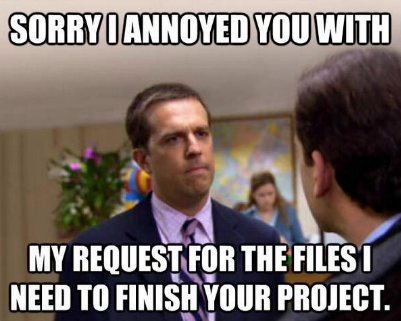
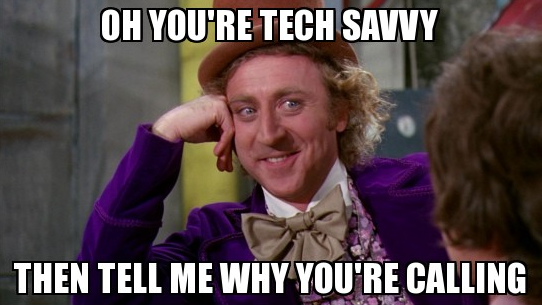
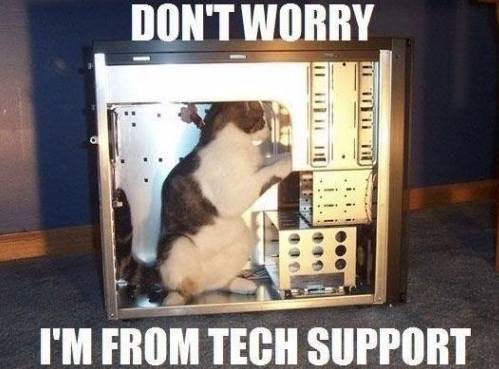
Terribly Corny IT Memes That Might Make You Might Laugh

It’s Monday and I think we all need a little humor to get us through the week.

Here are some terrible and corny IT memes that we complied from the internet. We hope that you can relate to at least a few!

  1. via Tech Republic

Screen Shot 2018-05-08 at 10.18.30 AM.png

2. Via FunnyAnd

Screen Shot 2018-05-08 at 10.23.13 AM.png

3. Via FunnyVid

Screen Shot 2018-05-08 at 10.27.37 AM.png

4. Via Call Center Memes

Screen Shot 2018-06-10 at 5.02.40 PM.png

5. Via JokeAZ

Screen Shot 2018-06-10 at 5.06.11 PM.png

Do you have some awful IT memes that are so bad they are good? Share them in the comment section below! And then check out our open Buffalo IT jobs here!

Written by Kaitlyn Gahagen


How Do I Standout From All The Other Candidates During My Job Search? Wise Words from Our Rockstar Recruiter Brooke DeLucia.

Brooke DeLucia has been a recruiter at ComputerPeople for over 20 years. She has seen it all and has worked with candidates from all over the world. We asked Brooke one simple question. What is the most important quality that a candidate can have to make them standout from the rest?

Brooke’s Response is gold.

“Drive & Professionalism.   Having the ability to sell yourself as a driven individual with the aptitude and hunger to learn can make all the difference.   Your body language can make or break an opportunity, no matter how qualified you are for the job. It’s still important to be respectful, attentive and professional when you are interviewing.  Don’t slouch in your chair, don’t pick lint off your suit, don’t chew gum or swear. It may seem basic but sometimes the people you least expect are the ones making these mistakes!”

Thanks for the words of wisdom, Brooke! Connect with Brooke Here.


dsc_5490-1.jpg

Written by Kaitlyn Gahagen


What Is Involved In The Process Of Working With Our Recruiters?

With spring in the air, college students graduating, and job fairs coming up, we know that a lot of you are looking for new jobs.

If you have never worked with a recruiter before, or even if you have just never worked with ComputerPeople before, here is what to expect!

OUR PROCESS

When you work with ComputerPeople, you are no longer alone in your job search. Our recruiters are seasoned experts who know the ropes in the sometimes daunting quest to get you hired. Most new candidates begin their relationship with ComputerPeople by applying to one of our existing jobs, or by simply emailing us with their resume and the type of job they are seeking [more on this below].

Next, we will schedule an interview with you so that we can learn more about what you are looking for. We will discuss any position(s) that you have already applied for or present new positions that we think you might like. We are not intimidating interviewers who are going to grill you on everything –  we really just want to get to know you better and learn about your amazing talent, experience, and what the job of your dreams really looks like.

At this point, we will go over your resume and if necessary, suggest changes or tweaks that will help you to stand out better. The next step is that we become your own personal marketing department by promoting you and your top skills to the best companies around WNY.

We have been in the business for 50 years, and our clients trust us to match the best candidates with the positions that they need filled. If WNY is not the place for you, we can still be your partner by utilizing our NPA network of recruiters to get you placed with the job you’ve always wanted.

Ready to start your job search with ComputerPeople on your side?

Review current open positions here or email us with your resume at ComputerPeople@cpstaffing.com


dsc_5490-1.jpg

Written by Kaitlyn Gahagen

Best Degrees to Get You Hired in 2015

Congratulations 2015 graduates! We hope that you are all having success in finding your first real job, but if you haven’t graduated yet, and you are trying to figure out a career path, consider taking a look at some of the best degrees to get you hired in 2015.

We’ve all heard that the best degrees are in Engineering, Medical Services, and Computer Science. A recent study from the National Association of Colleges and Employers shows that the highest bachelor degrees in demand are Finance, Accounting, Computer Science, Mechanical Engineering, and Business Administration/Management. Here at Computer Plus Staffing Solutions, we agree! We work with Finance, Accounting, and Information Technology candidates every day, and we know the demand for graduates with these skills. Although you should never choose your major based directly on demand, if you happen to have interest and aptitude in one of these areas, you should definitely pursue your degree.

Hiring statistics based on degree