
Welcome back to another edition of the ComputerPeople Staffing blog! In the professional world, transitions are inevitable. Whether it’s a new job opportunity, a career change, or personal reasons, leaving a job is a common experience. One of the most important steps in this process is giving your employer a two-week notice. This standard practice is crucial for several reasons, and deviating from it—either by giving more or less notice—can have significant implications.
Why Two Weeks?
The two-week notice period has become a widely accepted norm in many industries, especially in the IT industry. It provides a balance between giving your employer enough time to find a replacement or redistribute your responsibilities, and allowing you to transition smoothly to your next chapter. Here are a few key reasons why this period is so important:
- Professional Courtesy: Giving two weeks’ notice shows respect for your employer and colleagues. It acknowledges that your departure will have an impact and provides them with time to adjust.
- Maintaining Relationships: The professional world is surprisingly small, especially in cities like Buffalo. Future opportunities often arise through networks and references. Leaving on good terms can preserve positive relationships that might benefit you later.
- Smoother Transition: Two weeks gives both you and your employer time to ensure a smooth handover of your responsibilities. This can include training your replacement, completing ongoing projects, or documenting your tasks.
- Protecting Your Reputation: Your professional reputation is one of your most valuable assets. Leaving abruptly or giving too much notice can negatively affect how future employers perceive you.
The Pitfalls of Giving Less Than Two Weeks’ Notice
While it might be tempting to leave immediately or give only a few days’ notice, doing so can have several negative consequences:
- Burning Bridges: Leaving with short notice can frustrate and inconvenience your employer and colleagues, potentially damaging your professional relationships.
- Legal and Contractual Obligations: Some employment contracts stipulate a notice period. Failing to comply can result in legal issues or loss of benefits.
- Negative References: Employers may view a hasty departure as unprofessional, which can lead to unfavorable references that impact your future job prospects.
- Unfinished Business: Leaving too soon might leave important projects incomplete or colleagues unprepared to take over your duties, reflecting poorly on your work ethic.
The Drawbacks of Giving More Than Two Weeks’ Notice
While more notice might seem courteous, it can also present challenges:
- Awkward Work Environment: Knowing you’re leaving can create an uncomfortable atmosphere. Colleagues might treat you differently, and you might feel disconnected from ongoing work.
- Productivity Decline: Employers might not assign new tasks to you, anticipating your departure. This can lead to a decline in productivity and job satisfaction.
- Potential for Resentment: If your employer is unable to find a replacement quickly, a longer notice period can lead to frustration and resentment on both sides.
How to Give Your Two-Week Notice
When the time comes to resign, it’s important to do so professionally. Here are some steps to follow:
- Write a Formal Letter: Draft a concise, polite resignation letter stating your intention to leave and your last working day. Express gratitude for the opportunity and experiences gained.
- Speak to Your Supervisor/Manager: Schedule a meeting with your supervisor to deliver the news in person. This shows respect and allows for a direct conversation about the transition.
- Be Prepared for Reactions: Your employer might try to persuade you to stay or express disappointment. Stay firm but respectful in your decision.
- Offer Assistance: Show your commitment to a smooth transition by offering to help train your replacement or complete key projects before you leave.
- Stay Professional: Continue to perform your duties to the best of your ability during the notice period. Leaving on a high note will reinforce your professional reputation.
In conclusion, giving a two-week notice is more than just a formality; it’s a crucial aspect of professional etiquette that benefits both you and your employer. By adhering to this practice, you demonstrate respect, protect your reputation, and ensure a smoother transition for everyone involved. Remember, the way you leave a job can be just as important as the way you start one. So, when the time comes, give your notice thoughtfully and professionally.
_____________________________________________________________________________________________
Thanks for reading! If you are a business looking to fill your important IT roles, visit us at cpstaffing.com to learn more!
If you are a candidate and are looking for dream role, visit us at jobs.cpstaffing.com for our latest job postings!
And don’t forget to follow us on LinkedIn for new jobs, insights, blog posts and more! https://www.linkedin.com/company/computerpeoplestaffing
Written by Jeff Weiss











 . Hence, some of the kiddos had to stay behind with grandma (the hike was a bit too epic for my mom and my little nuggets). Nevertheless, this was one of my absolute favorite moments of the trip, and we had a lot of fun! (I wonder if it had anything to do with the fact that I was child-free for 2 hours?).

 I had been looking forward to this for the past 3 months, and I was beyond excited. In my head, I knew everything I needed to do; I was ready to get all of our supplies, and ready to get started. Once we got back home from the store, we got right to work… we then realized we had the wrong sanding paper, and not nearly enough paint. After the second trip to Home Depot, we realized we got the wrong kind of paint. Then after the third trip, we realized we had the wrong kind of nails. In other words, after four trips to the store, my husband wanted to run away to Mexico, and I wanted to burn down the room – she can just sleep with us! :). It was mindboggling how a project that I couldn’t wait to start was so quickly turning into a nightmare. 😦 So here was my mistake number one: Unpreparedness.
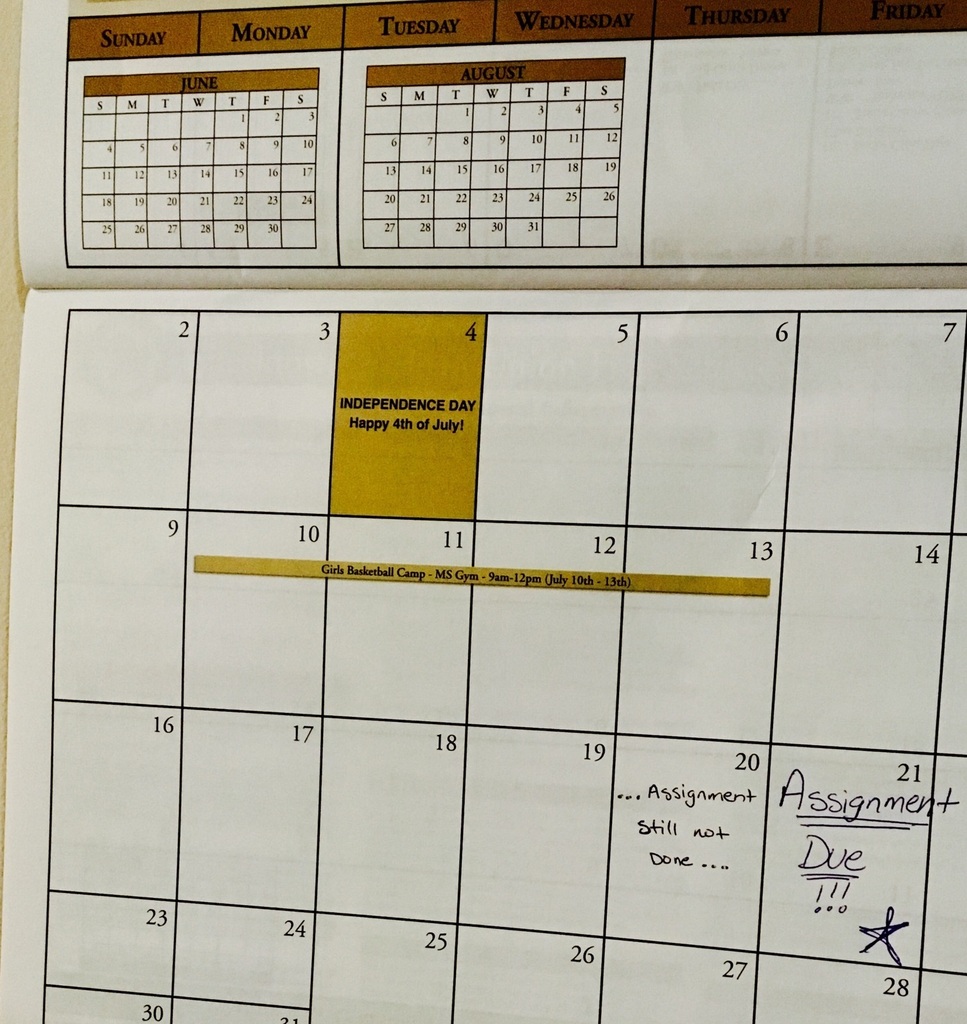 When I started to “plan” the process of it all, I was certain that it would take us just about a full day to complete her room – after all, I had already painted three of the four walls the week before, and that’s the time-consuming part, right? Well, here was my mistake number two: Underestimating. As it turns out, not only did I dismiss the amount of work that still needed to be done, I also did not take into consideration the time that it would take us to complete it all. I mean, we are talking about removing moldings, sanding and painting them, painting doors, drawers, etc., yet all of that slipped my mind. All I could think of was my dreamy end result, and my plans of relaxing the rest of the weekend. Of course, I was in for a rude awakening, and our entire weekend was consumed by this project – which is still not entirely finished 😦 (although my husband thought my misguidance was quite comical; I’d say half of our time was spent by him laughing at my one-day-project idea).
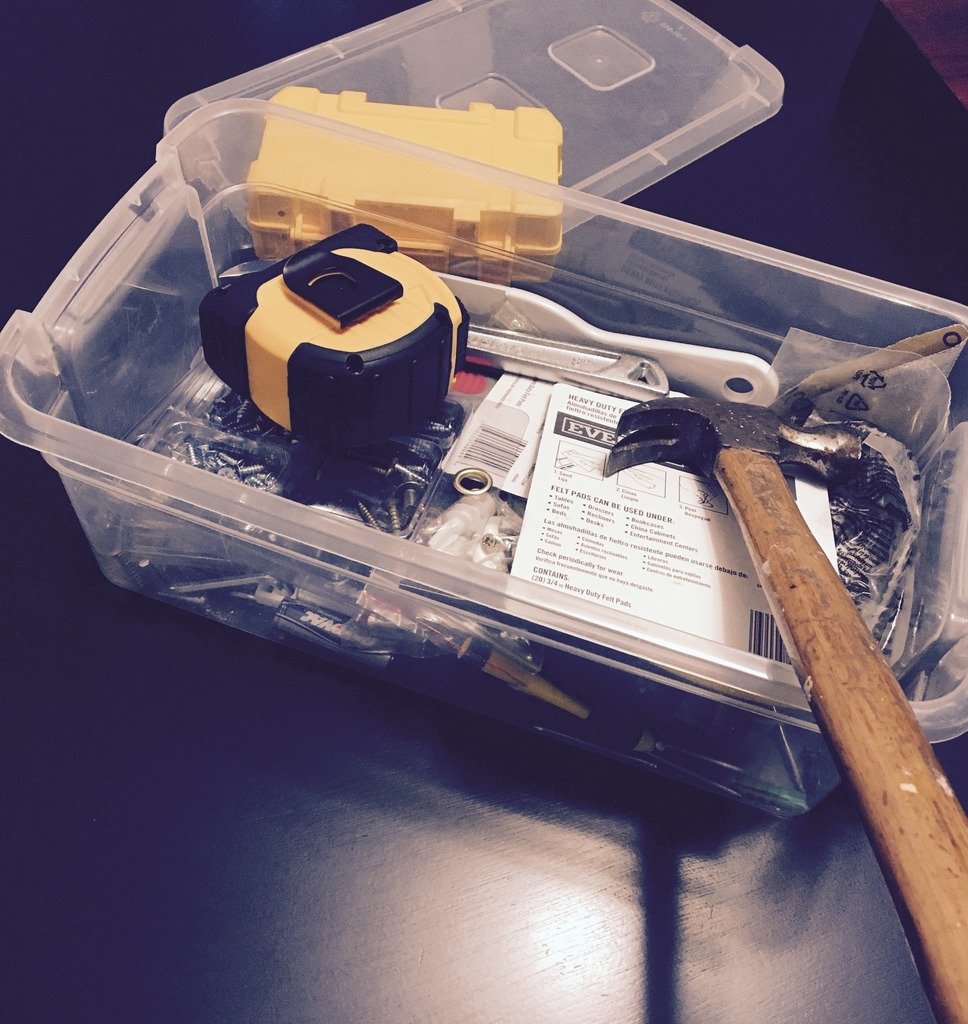 Last but not least, being organized is an absolute essential (this is, most definitely, my favorite tip). My next mistake during my daughter’s awesome room makeover was – you guessed it: Disorganization. I cannot stress enough how irksome it was to be in the middle of painting/sanding/nailing and not being able to find the paint brush/sand paper/hammer. Or, when this wasn’t the case, I would start doing something that my husband had already started to do – double the work for nothing. Or, my favorite: we nailed the door frames back onto the wall, only to have to take them down again because we put them in the wrong order (they didn’t fit properly). Meh. 😦








 ComputerPeople Staffing Blog